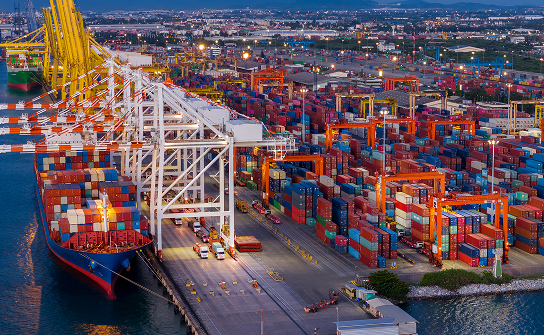
The conflict surrounding Iran is causing a structural disruption in international logistics chains, directly affecting flows between the Middle East, Europe, and Africa.
These are not isolated delays, but rather an operational reconfiguration characterized by route diversions, reduced capacity, and rising costs.
This scenario has a direct impact on European Union customs operations by increasing the likelihood of incidents arising from a lack of consistency between logistics planning and the actual execution of transport.
In this context, customs management ceases to be a downstream element of the operation and instead becomes a determining factor in its viability.
The Middle East–Europe–Africa logistics corridor constitutes a critical axis of international trade. Instability in the region is directly affecting its operational functioning.
Logistics operators are modifying routes, stops, and transit points in real time, creating an environment characterized by a lack of stability and predictability.
The market’s usual mistake is to interpret these disruptions as temporary incidents, when in fact they reflect a change in the operating model of logistics networks.
Global integrators such as UPS, FedEx, and DHL have activated contingency measures in response to the situation in the Middle East, according to their official communications.
These measures reflect an operational adaptation to an unstable environment, with a direct impact on the planning, execution, and reliability of international logistics chains.
From a technical standpoint, this implies:
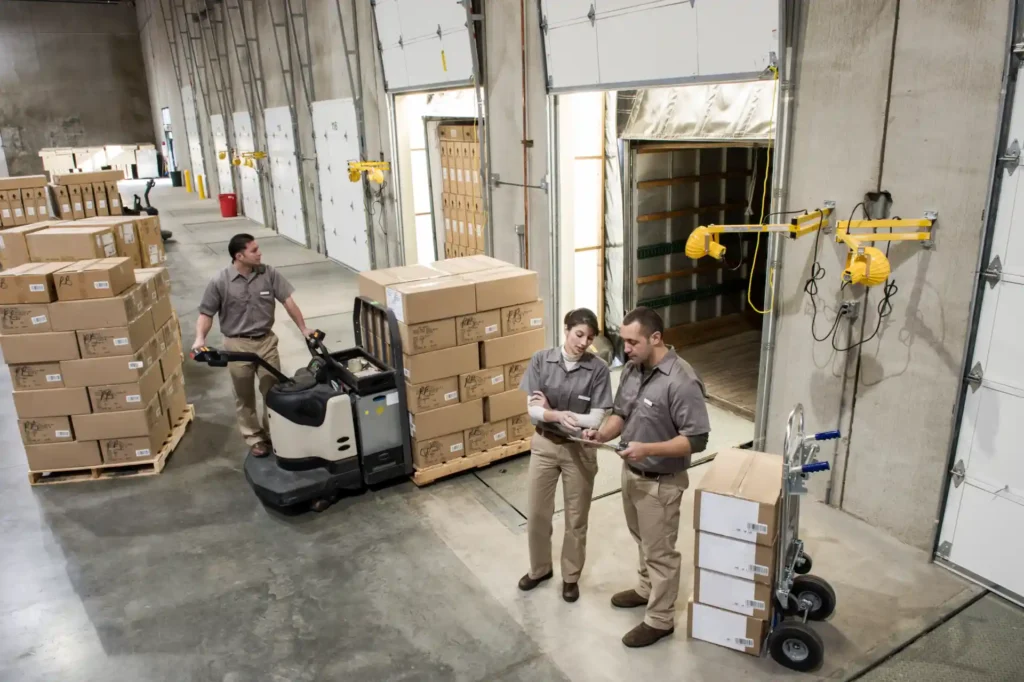
Airspace restrictions are forcing changes to flight routes, resulting in:
This impact is especially critical for urgent, perishable, or high-value goods, where operational variability has a direct effect on service viability.
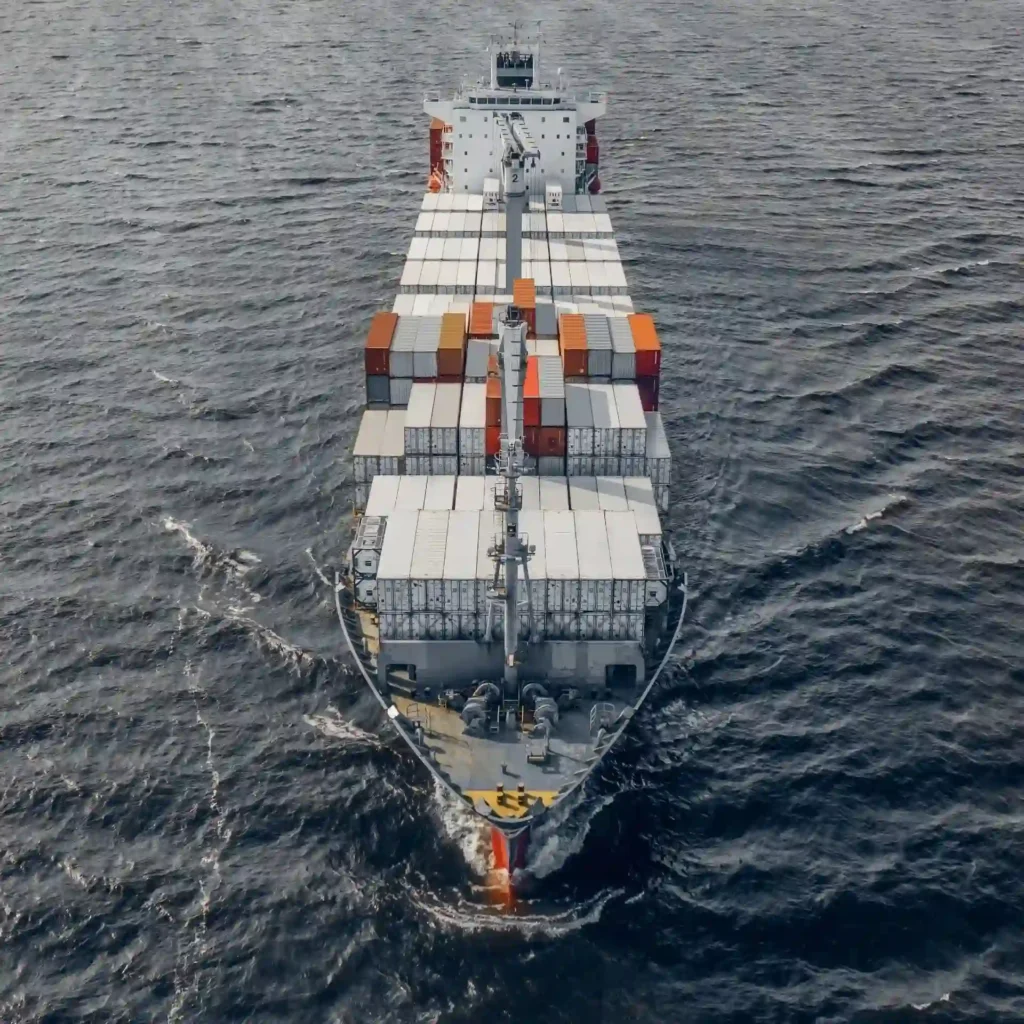
The increase in risk across strategic zones is causing:
As a result, there is a disruption in the regularity of arrivals and additional pressure on port capacity in Europe.
The economic impact is cumulative and cuts across the entire chain:
This makes it necessary to review cost structures, operating margins, and contractual terms (Incoterms).
The European customs system is based on consistency between the declared information and the actual operation.
Current logistics disruptions are generating:
This increases the likelihood of mismatches between the ENS declaration and the actual execution of transport.
The ENS (Entry Summary Declaration) is the pre-arrival security declaration required for goods entering the European Union.
It must be submitted before arrival and includes information relating to:
This information feeds the risk analysis systems in accordance with the Union Customs Code.
When inconsistencies are detected between the declared information and the actual operational data:
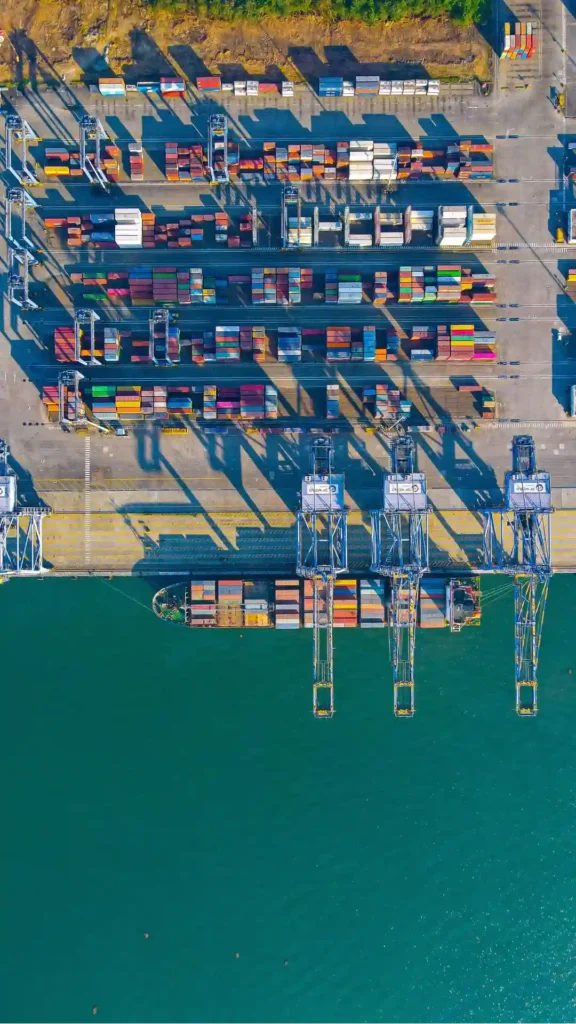
These checks respond to objective risk analysis criteria, not discretionary decisions.
Technical criterion:
Customs does not assess the conflict.
It assesses the consistency, accuracy, and traceability of the operation.
The impact of the conflict involving Iran is not an isolated logistics incident, but rather a disruption of the international operating environment.
This disruption has direct and cumulative effects on operations:
In this context, operational predictability disappears. Routes cease to be stable and instead depend on operational restrictions, operator decisions, and security conditions.
This instability is directly transferred to the customs sphere:
The result is a loss of linearity in international operations, which become simultaneously conditioned by logistics, economic, and regulatory factors.
In this scenario, the viability of an operation does not depend solely on transport, but on its complete operational consistency within an unstable environment.