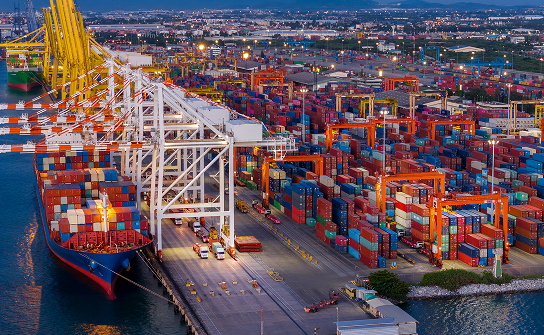
The European Union has approved a structural reform of its customs system through Regulation (EU) 2026/2108, which establishes a new Union Customs Code and creates the EU Customs Authority.
The new model introduces a European Customs Data Hub, changes the treatment of imports carried out through e-commerce and establishes new opportunities for simplification for trusted operators.
July 1, 2028, is a particularly significant date for imports linked to distance sales, but this does not mean that all importing companies will be required to use the new system from that day.
Implementation will be gradual and, according to the approved regulatory timeline, will culminate in the mandatory use of the Customs Data Hub by all operators from March 1, 2034.
For importing companies, the main change involves greater integration of customs data, improved traceability of goods and EU-wide risk management.
Companies should review their tariff classification, origin, customs valuation, documentation and regulatory compliance procedures before the new obligations applicable to them come into effect.
The European customs system has developed around a combination of common regulations and IT systems managed by the administrations of the different Member States.
Although customs rules have a European legal basis, the operational management of data and certain procedures has depended on national infrastructures.
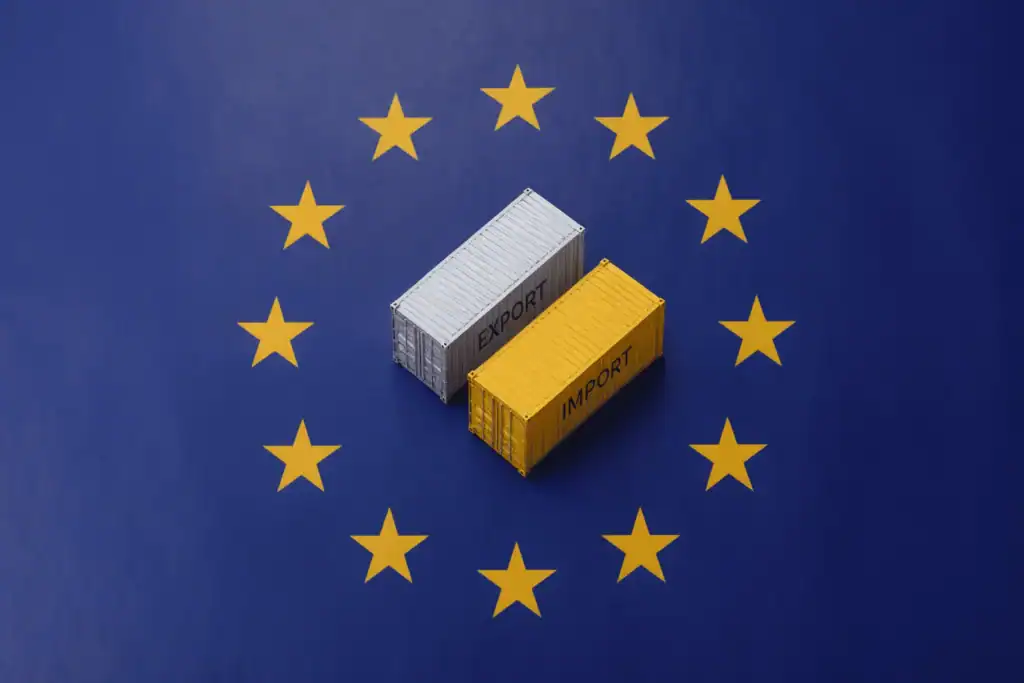
This model faces challenges arising from the growth of e-commerce, the increasing volume of shipments, the diversification of supply chains and stricter product safety and compliance requirements.
The reform introduces a more centralised system for information management and risk analysis, without removing the control responsibilities of national customs authorities.
For a company importing goods into Spain, the authorities will progressively gain a more integrated view of operations, making it easier to cross-check declared data, identify inconsistencies and select goods for inspection.
Discrepancies between invoices, commercial descriptions, tariff classifications, origin and other supply chain information may become increasingly relevant in risk assessments.
A company with incomplete documentation, inadequate internal procedures or difficulties substantiating its customs declarations may face requests for information, inspections and potential reassessments.
Digitalisation does not replace importers' legal obligations: it requires them to be able to demonstrate compliance.
Regulation (EU) 2026/2108 establishes the new European customs regulatory framework and provides for the gradual replacement of the system established under Regulation (EU) No 952/2013.
However, the existence of a new Regulation does not mean that all its provisions become applicable simultaneously. It is essential to distinguish between entry into force, general application dates and specific transitional provisions.
Operational implication: A company engaged in traditional imports should not automatically assume that it must replace all its customs procedures on July 1, 2028.
The EU Customs Data Hub will centralise and manage the customs and commercial information required for operations within a common digital environment.
It will enable the centralised submission of information, facilitate data exchange between authorities and strengthen risk management.
It would be incorrect to state that the import Single Administrative Document (SAD) will disappear for all operators in 2028. The reform provides for a gradual transition towards the new data model.
Companies should review their ability to generate complete, accurate and consistent data.

The reform establishes the European Union Customs Authority (EUCA), headquartered in Lille. It is expected to begin operations in 2027, with the role of coordinating and supporting national administrations and developing a more consistent approach to risk management.
The creation of this authority does not mean that the Spanish Tax Agency (AEAT) will cease to exercise its customs responsibilities in Spain.
Issues may be analysed using information shared at European level, rather than solely from the perspective of an individual customs clearance operation.
E-commerce is one of the areas most affected by the reform. The new Code introduces the concept of an importer for distance sales and assigns specific responsibilities to platforms and other operators falling within its definition. Acting solely as a technology intermediary should not be confused with having the legal status of an importer.

The allocation of obligations depends on the actual role of each operator and the applicable legal definitions; responsibilities are not indiscriminately transferred to every platform.
Before structuring an operation, customs, tax and regulatory responsibilities must be identified.
The changes affecting small consignments do not all begin in 2028. From July 1, 2026, until July 1, 2028, Regulation (EU) 2026/382 establishes a transitional duty of €3 per item category for certain consignments with a total intrinsic value not exceeding €150. Its scope is limited to the cases covered by Article 2 and may be affected by subsequent amendments.
The category is identified according to the relevant tariff classification: this does not necessarily mean a charge for each physical item or a single amount per parcel. Each operation requires confirmation of whether the import falls under the VAT scheme provided for in Article 143(1)(ca) of Directive 2006/112/EC or concerns a postal consignment covered by the regulation.
The reform also provides for a European handling fee. Commission Delegated Regulation (EU) 2026/2152 establishes a handling fee of €2 per item category, applicable from November 1, 2026. This should not be confused with a fixed charge per parcel or calculated without checking the definition of an item category and the circumstances in which the fee applies.
The handling fee is separate from the transitional customs duty and import VAT. Companies must verify the applicable scheme and date for each operation.
The new Code introduces the Trust & Check status, designed for companies demonstrating a high level of reliability, transparency and control over their operations.
Access to simplifications will depend on regulatory requirements and the relevant authorisations.
This does not imply the absence of controls or the automatic elimination of the Authorised Economic Operator (AEO) scheme. The transitional arrangements and the specific circumstances of each operator must be examined.
Data centralisation does not eliminate the fundamental obligations to declare goods and substantiate the information provided.
Tariff classification must reflect the objective characteristics of the product. Non-preferential origin must be distinguished from preferential origin; the latter requires compliance with the rules of the applicable agreement.
Customs value must be determined in accordance with the relevant legal valuation method, including the additions and deductions provided for in the regulations.
Commercial, contractual and transport documentation must be sufficient to substantiate the operation. Inconsistencies may lead to inspections without automatically constituting an infringement.

The Customs Data Hub does not eliminate the requirements imposed by sector-specific regulatory authorities.
The application of each control depends on the nature and classification of the product, its country of origin or dispatch, the purpose of the operation and the measures currently in force.
Customs release does not automatically make non-compliant goods legally marketable.
This checklist is a preliminary tool. It does not constitute a declaration of compliance or replace an individual assessment of each operation.
The European Union's customs reform will progressively change how companies submit information, substantiate their operations and undergo customs control procedures.
Implementation will not take place on a single date, nor will it affect all operators in the same way.
Companies involved in e-commerce should pay particular attention to the obligations scheduled to apply from July 1, 2028. Traditional importers must also prepare for the transition to the European Customs Data Hub.
The main risk is not simply a lack of familiarity with a new IT tool, but the continued use of inadequate tariff classification, origin, valuation and documentation procedures that fail to properly substantiate operations.
At Omnia Aduanas, we analyse the customs procedures of importing companies to identify applicable obligations, documentation issues and the measures needed to adapt to the new regulatory framework.
Contact Omnia Aduanas to request a technical assessment of your operations before implementing changes or taking on new customs obligations.