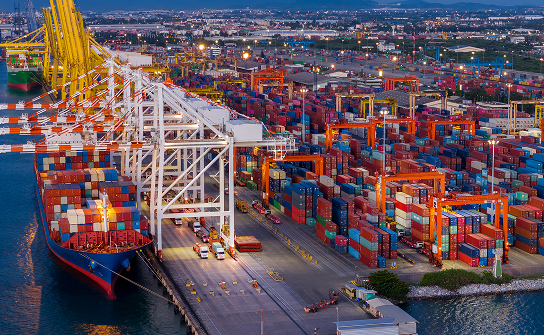
In an international trade operation, choosing the mode of transport is not only a logistics decision. The transport used affects transit times, operation costs, the documentation required and, in many cases, customs clearance management.
Companies that import or export goods usually face three main options: air transport, sea transport or road transport. Each of these modes has advantages and limitations that must be analysed according to the type of goods, the origin and destination of the operation, the volume transported and the urgency of the shipment.
Selecting the right mode of transport from the outset makes it possible to optimise costs, avoid logistics incidents and plan customs clearance correctly.
Before choosing the mode of transport in an international operation, several factors that directly affect the logistics and economic viability of the operation must be analysed.
The most relevant include:
In addition, when analysing transport costs, it is essential to take into account the Incoterm agreed in the commercial operation. The Incoterm determines which part of the logistics costs is borne by the seller and which costs correspond to the buyer.
In many international operations, some relevant costs are not included in the Incoterm used, such as terminal handling charges, import customs clearance, customs duties, import VAT or certain logistics services at destination. If these costs are not taken into account from the outset, the economic analysis of transport may be incomplete and lead to deviations in the final cost of the operation.
Air transport is mainly used in operations that require speed or a high level of security in the transport of goods.
It is common for high-value-added products or shipments where transit time is decisive.
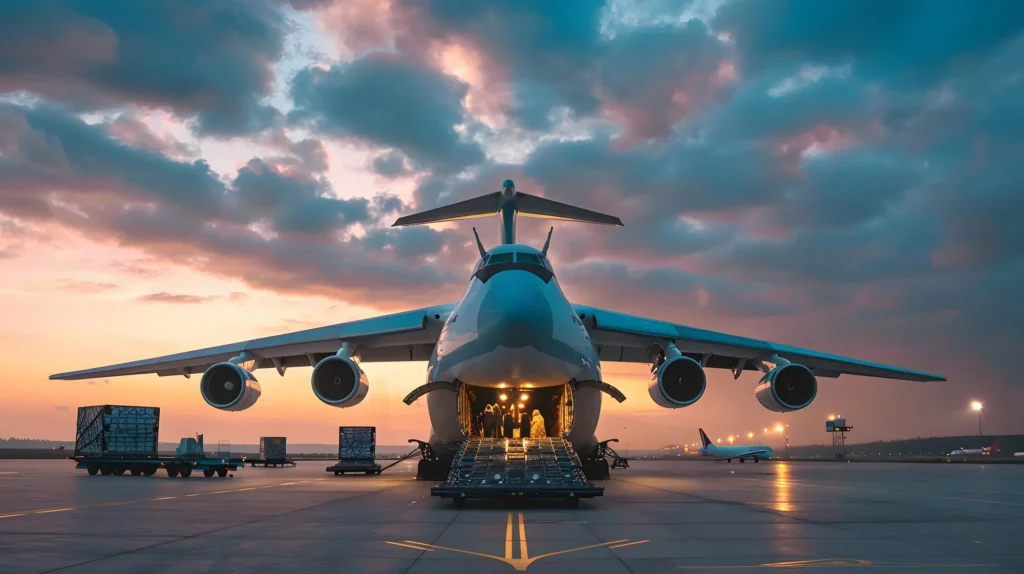
The usual documentation for air transport includes the Air Waybill, which identifies the shipment and regulates transport between the parties involved.
Sea transport is the most widely used mode in international trade when dealing with large volumes of goods or intercontinental shipments.
Most imports from Asia to Europe are carried out by containerised sea transport.
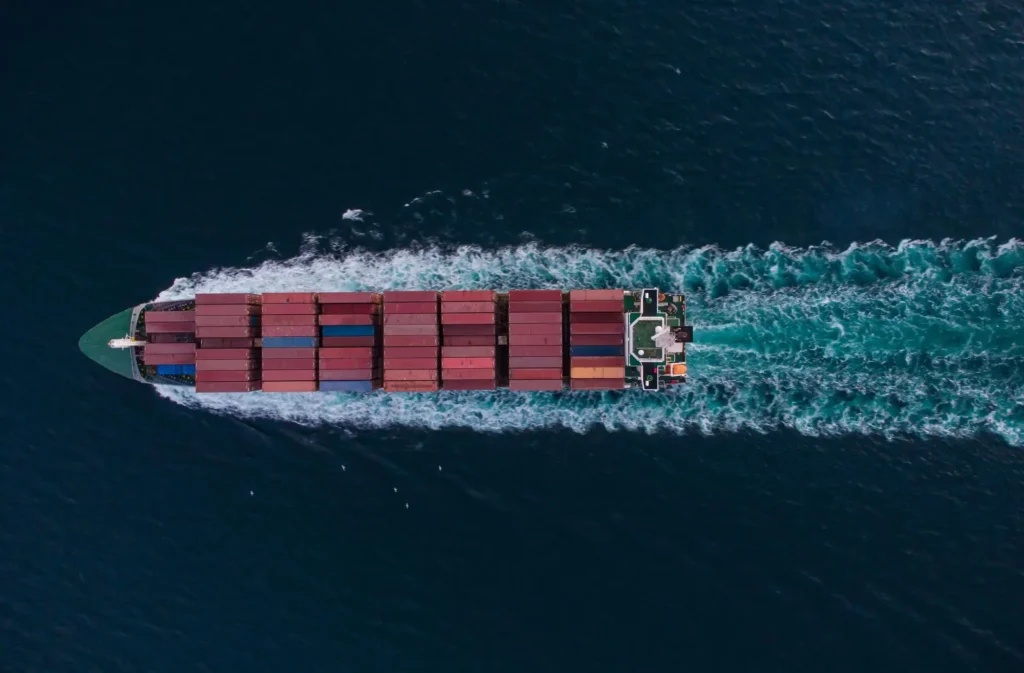
The transport document used is the Bill of Lading, which certifies the transport contract and the receipt of the goods by the shipping company.
Road transport, mainly by truck, is the most widely used mode in intra-European operations or between countries with direct land connections.
It offers great logistics flexibility and easy integration with other modes of transport in multimodal operations.
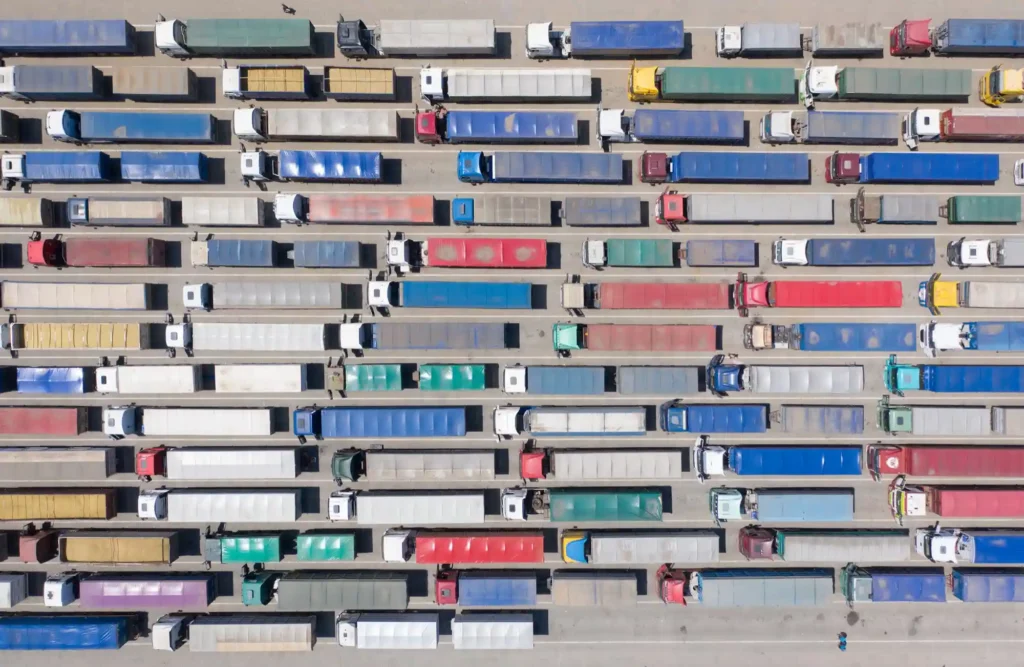
The usual document for this type of transport is the international CMR consignment note, used in international road transport.
The mode of transport also influences how customs clearance of the goods is managed.
The type of transport determines aspects such as:
In air transport operations, for example, logistics times are usually shorter, which means customs documentation must be prepared further in advance.
In sea transport, on the other hand, the longer transit time allows more room to prepare customs clearance, although additional logistics operators may also be involved in the process.
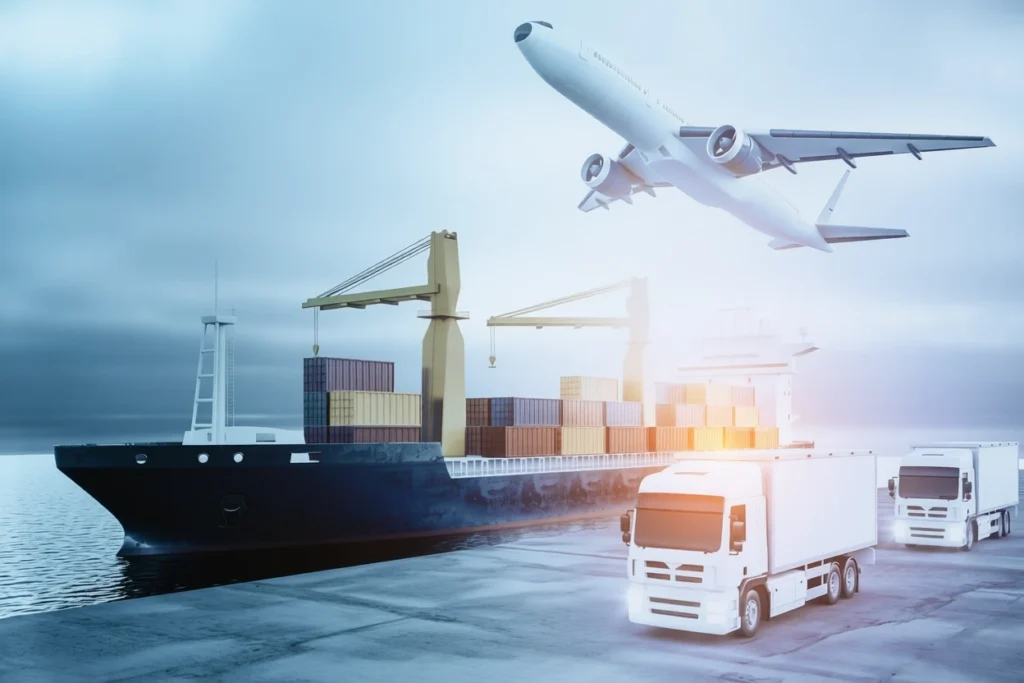
There is no universally better mode of transport than another. The choice depends on the specific characteristics of the operation.
In general terms:
Many international operations also use multimodal logistics chains, combining different modes of transport to optimise times and costs.
The choice between air, sea or road transport should not be based only on the price of transport. Each option involves different transit times, specific documentary requirements and different logistics conditions.
In addition, the economic analysis of the operation must always consider the Incoterm agreed between the parties, as this determines which logistics costs are included in the purchase price and which will have to be borne later at origin or destination.
A proper assessment of transport requires analysing not only the freight cost, but also the logistics expenses associated with the Incoterm used, including the costs that will arise upon arrival of the goods, such as terminal handling, customs clearance, duties or import taxes.
Taking these elements into account from the initial planning stage makes it possible to correctly assess the real cost of the international operation and avoid financial deviations or incidents when the goods arrive.