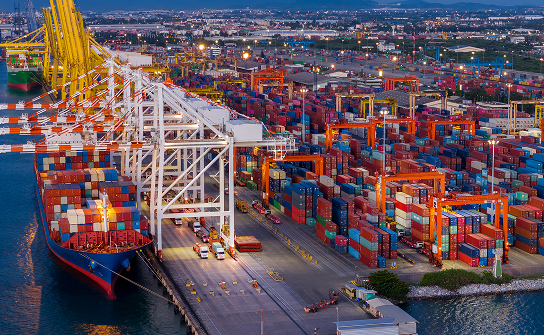
Importing goods from China has become a common practice for many European companies. However, a significant proportion of border incidents occur precisely in import operations from this country.
In many cases, the problem does not arise during international transport, but at the time of customs clearance, when errors are detected in the tariff classification, in the declared origin of the goods, in the commercial documentation or in the technical requirements applicable to the product.
When these issues are detected at the border, the goods may be held by Customs, subjected to technical inspections or even prevented from entering the European Union market.
Understanding what European customs regulations actually require before starting an import operation from China is a key factor in avoiding logistics blockages and unforeseen costs.
China is one of the European Union’s main trading partners. The volume of goods imported from this country is very high and covers practically every industrial and consumer sector.
In recent years, a commercial model has also intensified in which many Chinese manufacturers sell directly to European companies without commercial intermediaries. B2B platforms and direct sales channels allow importers to buy from the manufacturer without going through international distributors.
Although this model reduces commercial costs, it also means that responsibility for customs and regulatory compliance falls entirely on the European importer.
In many cases, the manufacturer does not know the European Union’s technical or customs regulations in detail, so aspects such as the required documentation, product marking or certification requirements are not verified before shipment.
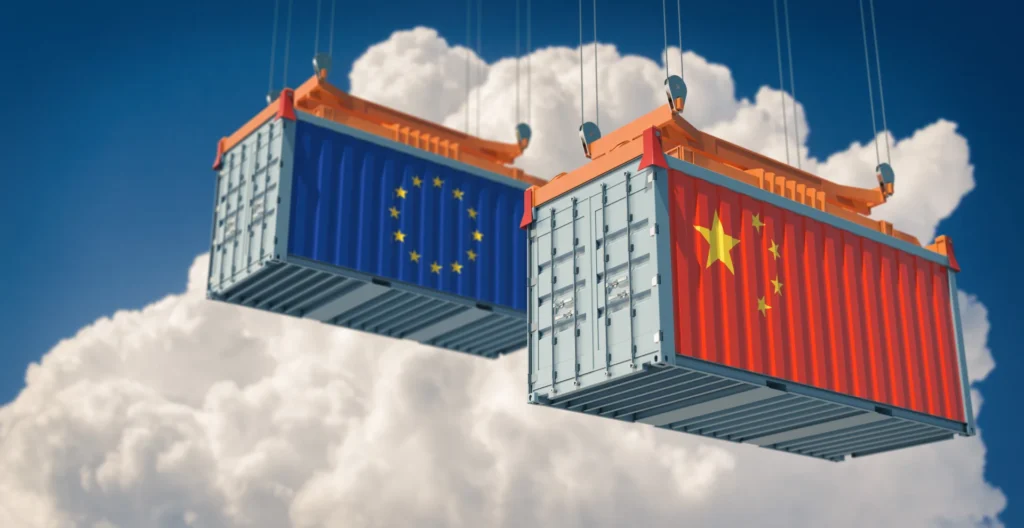
Among the most frequent situations that generate border incidents are:
When these problems are detected during clearance, Customs may initiate checks or inspections that delay or halt the import.
Before the goods arrive in the customs territory of the European Union, the importer must have a series of documents that allow customs clearance to be processed correctly.
The most common documents include:
It must accurately identify:
It allows verification of:
Depending on the means of transport used:
The Incoterm determines which part of logistics and transport costs corresponds to the seller and which part corresponds to the importer.
In many import operations from China, the CIF Incoterm (Cost, Insurance and Freight) is used. Under this term, the seller assumes transport to the destination port, but the costs generated upon arrival — customs clearance, duties, import VAT, port handling or logistics services — correspond to the importer.
Companies that buy directly from Chinese manufacturers are often unaware of these additional costs until the goods arrive at the port or airport, which can create significant differences between the initial purchase price and the real cost of the import.
All imported goods must be declared using a Combined Nomenclature code, commonly known as the TARIC code.
Tariff classification determines:
The customs origin of the goods determines which trade measures may apply to the import.
In the case of China, it is important to bear in mind that there is currently no preferential trade agreement with the European Union. This means that goods originating in China cannot benefit from preferential tariff reductions and are subject to the corresponding duty under the Common Customs Tariff.
In addition, certain products originating in China may be subject to trade measures such as:
Certain products imported from China are subject to prior technical controls before they can be marketed in the European Union.
These controls verify that the product complies with the applicable safety regulations.
Among the most frequent controls are those carried out by the Official Service for Inspection, Surveillance and Regulation of Exports (SOIVRE); Royal Decree 330/2008
When an issue is detected during customs clearance, the goods may be held until the situation is clarified.
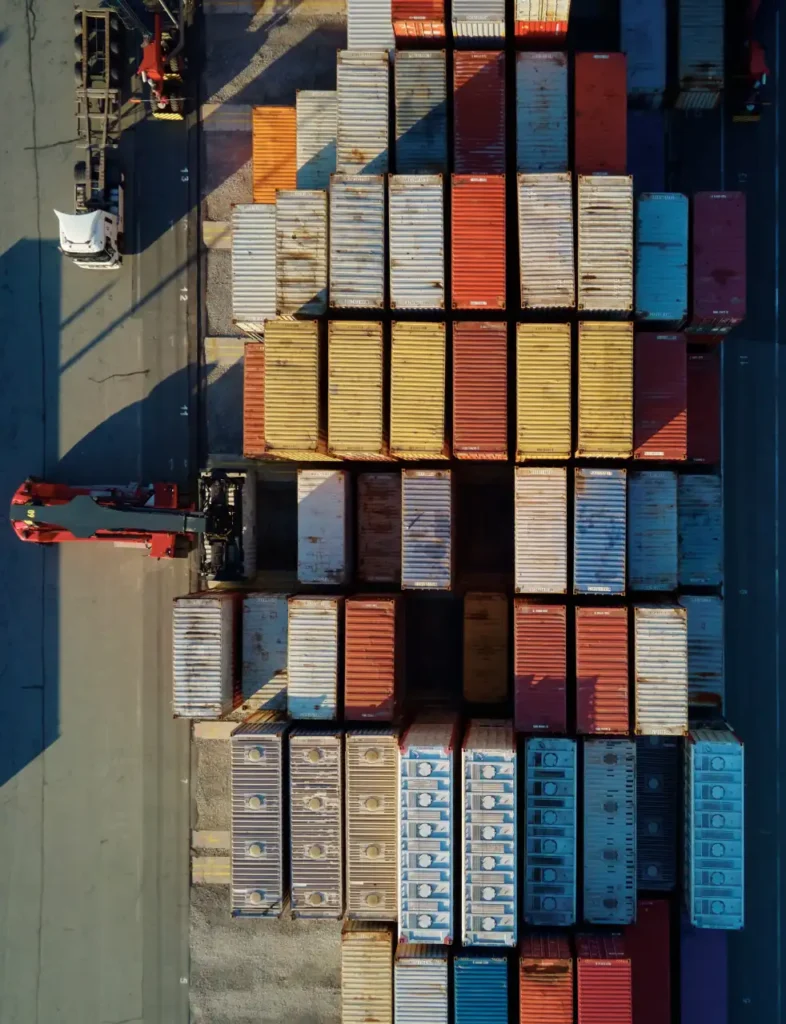
The most common situations include:
Documentary review: Customs requests additional information about the goods or the commercial operation.
Physical inspection: A direct verification of the goods may be carried out to check their nature or characteristics.
Intervention of control bodies: For certain products, technical bodies may intervene to verify compliance with the applicable regulations.
These situations usually involve logistics delays and additional costs associated with storage or management of the incident.
Here is the adjusted conclusion, incorporating the point about destination costs according to the Incoterm used and maintaining the technical tone of the article.
Importing directly from manufacturers in China can offer commercial advantages, but it also means fully assuming the regulatory responsibilities associated with placing goods on the European market.
In this type of operation, problems do not usually appear during the purchase or transport stage, but when the goods arrive at the border and must pass the customs and technical controls required by European regulations.
In addition, it is important to bear in mind that the real cost of the import is not limited to the price paid to the supplier. Depending on the Incoterm used in the operation, different additional destination costs may arise, such as customs clearance, duties, import VAT, port handling, storage or logistics services.
For this reason, previously verifying aspects such as tariff classification, origin of the goods, commercial documentation, technical requirements applicable to the product and the costs that will arise at destination according to the Incoterm used is essential to avoid customs blocks, clearance delays and significant deviations in the final cost of the import.